
Even though our network is still very early in its development, we are committed to being very public and transparent with what we are planning. Because of that we are openly sharing the following:
Camera Map
Our goal is to equitably and effectively place cameras so they are most useful for public safety. Below is a map that shows the latest on camera locations:
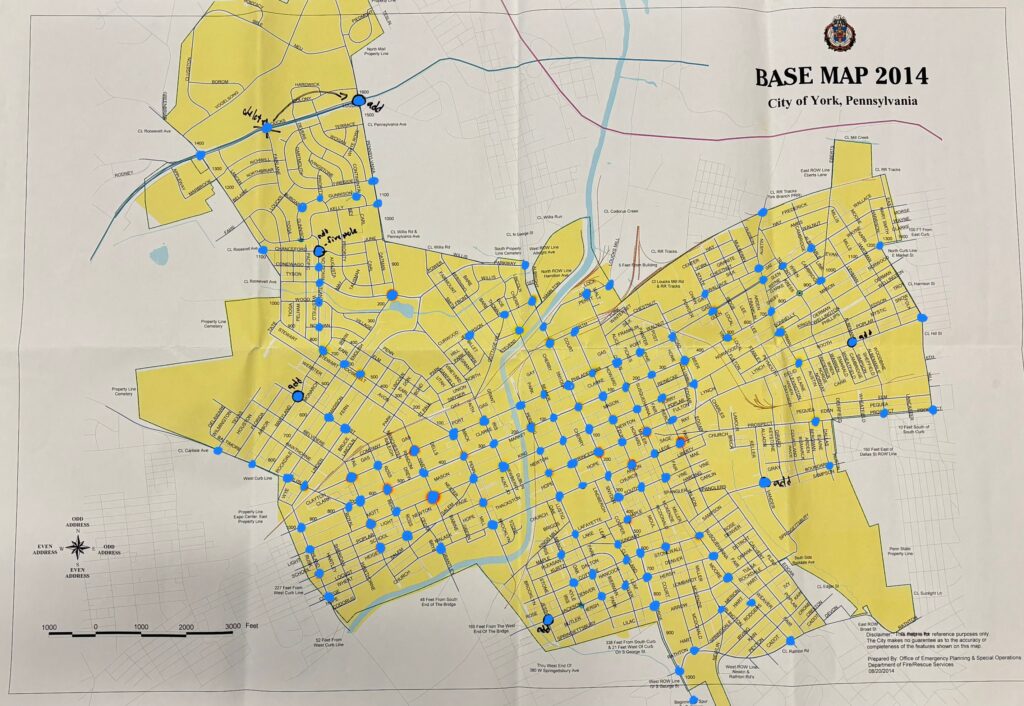
Once the network becomes operational, we are committed to continue to publish all camera locations opening ourselves to public feedback as the map changes.
Equipment examples
While no decisions have been made on equipment, we have worked with a contracting partner to estimate costs and determine the amount of fiber optic cable needed.
Assuming the public WIFI project is successfully completed in York, we estimate that 75% of our camera will be WiFi while 25% will require fiber optic cable.
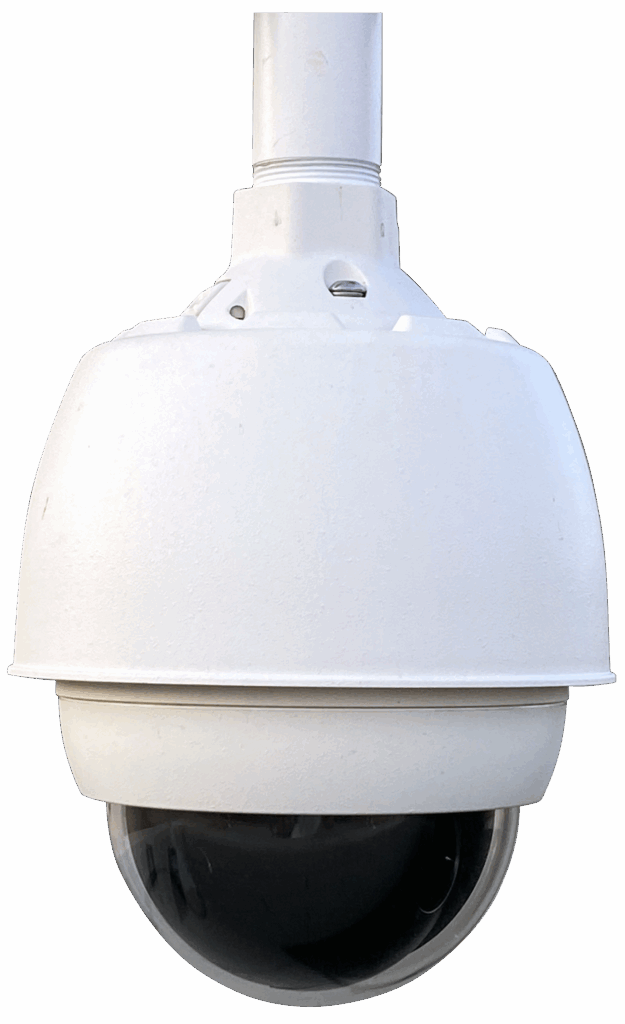
Some examples of equipment that may be used are found below. Keep in mind that while functionality of equipment is broad, our policies would limit the features that are used.
Policy Documents
We have been very intentional about developing and publishing policy documents from the very beginning of our process. The current draft policies can be found HERE. Policies will continue to be improved with public input as the network is developed and on an ongoing basis as technology evolves.
Financial
The cost of our network is intended to be shared among various stakeholders in York. These partnerships are under development and are intended to fund the cost to build and to operate the camera network.
Cost to Build
The estimated cost to build the network in its current configuration is $2.7 million dollars. This includes:
- Head End System (brains of the network)
- Cameras (140 units)
- Storage Solutions
- Fiber Optic cabling
- Design and Engineering Services
- Installation Services
Cost to Operate
The cost to operate the network has some variances based on the amount of live monitoring and overall camera units that need to be maintained.
- At full functionality with 140 cameras and 17 hours of live monitoring we estimate an annual budget of $785,000
- Our goal is to raise three years of annual budget funding in order to ensure a smooth launch – this will allow the community to see the impact of the network and ensure the operating model, policies, and funding partnerships are sound before locking into long term arrangements.
Is it worth the investment?
Crime is costly to a community. The Rand Study estimates that the average homicide costs $66,000 in judicial costs alone and up to $12.9 million dollars per homicide in total societal costs, which count victim services, economic impact, etc. (costs adjusted for inflation). Preventing crimes like this in our community has a large tangible benefit.
A camera network that provides evidence to clear citizens of charges or to find them responsible for crime also has the potential to bring a high level of efficiency to York City’s police operations. This would save city taxpayers hundreds of thousands of dollars per year and allow the city to deploy funding to other needed areas even as fiscal concerns continue to be a persistent issue.
At the county level, much of the judicial system would also benefit from additional efficiency. Tim Miller, the executive director of Lancaster’s camera network, recently estimated that their system saves the county tax payer $2 million dollars per year.
While the cost of building and sustaining the camera network is not insignificant, the member nonprofit model allows costs to be shared so that the city, county, or any other one entity are not saddled with the total cost.